
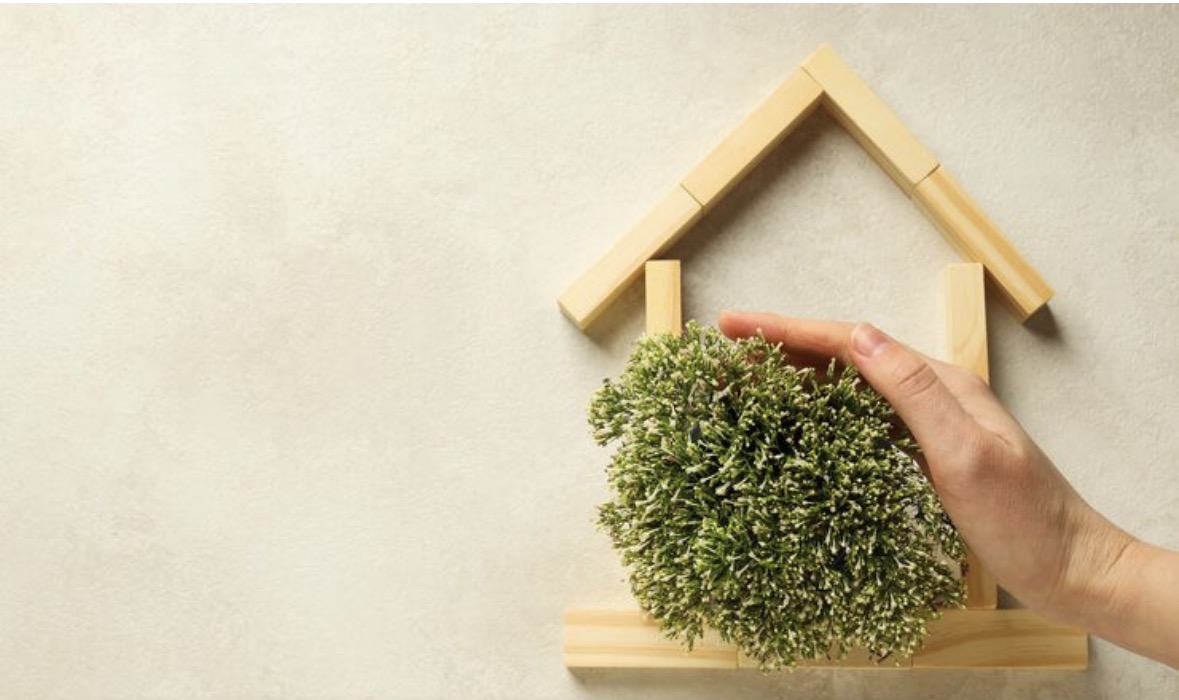
Roofing materials significantly impact a building’s overall environmental footprint. Beyond serving as a protective shield against weather exposure, the roof plays a pivotal role in regulating interior building temperatures, managing solar heat absorption, and determining long-term material waste. Traditional roofing choices often rely heavily on petroleum-based products or short-lived materials that end up in landfills every few decades. In response to rising energy costs and environmental concerns, modern sustainable roofing options prioritize solar reflectance, recycled material composition, long operational lifespans, and end-of-life recyclability. Evaluating these sustainable solutions allows property owners to reduce utility expenses, lower carbon emissions, and enhance long-term building durability.
The Key Criteria of Sustainable Roofing
Selecting an environmentally responsible roof involves looking beyond simple surface aesthetics. True sustainability evaluates how a material is produced, how it performs throughout its operational life, and what happens to it when it eventually requires replacement.
Thermal Performance and Energy Savings
A roof’s ability to reflect solar radiation directly influences a building’s cooling requirements. Standard dark roofing materials absorb intense heat, transferring thermal energy downward into attic spaces and living areas. Sustainable options utilize high solar reflectance and thermal emittance ratings to keep building surfaces cool, significantly reducing reliance on electrical air conditioning systems during summer peak hours.
Material Lifespan and Resource Conservation
Longevity is a fundamental pillar of environmental design. A material that requires replacement every fifteen years generates three times the manufacturing energy, transportation emissions, and landfill waste of a system engineered to endure for half a century. Choosing durable materials conserves natural resources by extending replacement cycles.
Recyclability and Circular Manufacturing
The construction industry generates massive amounts of tear-off waste annually. Eco-friendly roofing solutions incorporate recycled post-consumer or post-industrial content during production, such as reclaimed rubber tires, recycled plastics, or recycled metal alloys. Furthermore, these products are designed to be fully recyclable at the end of their operational lifespan, keeping raw materials out of municipal waste streams.
Prominent Eco-Friendly Roofing Materials
Property owners seeking sustainable solutions have several distinct options, ranging from durable metallic systems to natural clay and specialized single-ply membranes.
Standing Seam and Recycled Metal Systems
Metal roofing is widely recognized as one of the most environmentally responsible choices for sloped structures. Manufactured using a high percentage of recycled steel, aluminum, or copper, metal panels can be recycled completely when retired.
- Solar Reflectance: Modern metal panels are finished with specialized cool roof coatings containing reflective pigments that bounce back invisible infrared light, keeping surface temperatures low.
- Longevity: Metal roofing systems regularly achieve operational lifespans of fifty years or more, outlasting traditional petroleum-based asphalt shingles by decades.
- Rainwater Harvesting: Smooth, non-porous metal surfaces do not leach harmful petroleum chemicals into runoff, making them ideal for integration with rainwater collection systems.
Natural Clay and High-Density Concrete Tiles
Clay and concrete tiles are crafted from abundant natural raw materials, such as earth, water, aggregate, and cement. Fired or cured into rigid units, tile systems offer exceptional environmental durability.
- Thermal Mass: The high density of clay and concrete acts as thermal mass, absorbing heat during peak daytime hours and delaying its transfer into the building envelope.
- Convective Air Flow: Barrel-shaped tiles create continuous air channels between the underside of the tile and the roof deck. This natural airflow vents heat out before it reaches interior living spaces.
- Chemical-Free Composition: Natural tile materials contain no synthetic VOCs or hazardous petroleum products, making them completely inert and environmentally safe.
Reflective Single-Ply Membranes for Low-Slope Roofs
Commercial buildings and modern flat-roof structures utilize synthetic single-ply membranes designed to handle standing water while offering superior thermal performance.
- Thermoplastic Polyolefin (TPO): TPO membranes feature naturally white, highly reflective surfaces that achieve high Solar Reflectance Index (SRI) scores. TPO contains no chlorine, is 100 percent recyclable during manufacturing, and reduces heat island effects in urban environments.
- Polyvinyl Chloride (PVC): High-reflectance PVC membranes deliver exceptional chemical resistance and durability. Many PVC formulations incorporate recycled polymers in the sub-layer while remaining fully recyclable at end-of-life.
| Roofing Material | Expected Lifespan | Primary Eco-Friendly Attribute | End-of-Life Recyclability |
| Recycled Metal Panels | 50 to 70+ Years | High solar reflectance, zero petroleum content | 100% Recyclable metal scrap |
| Clay & Concrete Tiles | 50 to 100 Years | Natural material composition, exceptional thermal mass | Recyclable as crushed aggregate |
| Cool Asphalt Shingles | 25 to 30 Years | Reflective mineral granules reduce heat absorption | Partially recyclable in pavement mixes |
| TPO Flat Membrane | 20 to 30 Years | High initial SRI rating, chlorine-free formulation | Fully recyclable thermoplastic |
| Synthetic Slate/Shake | 40 to 50 Years | Formulated from post-consumer recycled plastics/rubber | Highly recyclable synthetic polymer |
Enhancing Roof Sustainability Through Integrated Systems
Choosing an eco-friendly material is only the first step in creating a sustainable building envelope. Pairing high-performance materials with proper structural accessories maximizes total efficiency.
Balanced Attic Ventilation and Air Circulation
Proper airflow beneath the roof deck is essential for thermal efficiency. Continuous ventilation through soffit and ridge vents draws in cool outdoor air and exhausts warm, moist attic air. This process prevents heat build-up under the roof deck during summer months and eliminates moisture accumulation that compromises wood framing and insulation in winter.
High-R-Value Sub-Deck Insulation
Adding continuous high-efficiency insulation boards beneath flat roof membranes or between slope rafters prevents conductive heat transfer. Well-insulated roof assemblies stabilize indoor ambient temperatures, reducing the operational strain on building heating and cooling equipment.
Photovoltaic Compatibility
Sustainable roofing systems provide an ideal foundation for solar panel installations. Durable standing seam metal roofs, for instance, allow solar array mounting brackets to clamp directly onto raised seams without puncturing the waterproofing membrane, preserving system integrity while generating clean renewable energy.
Property owners interested in lowering cooling expenses, improving building efficiency, and reducing lifecycle waste will find that exploring options foreco friendly roofing provides clear insights into solar reflectance ratings, recycled material content, and long-term performance attributes across metal, tile, and reflective single-ply systems.
Long-Term Financial and Environmental Benefits
Investing in sustainable roofing offers tangible economic returns alongside environmental benefits. While some eco-friendly options carry higher initial material expenses than basic asphalt shingles, their extended lifespans, minimal maintenance requirements, and ongoing energy savings deliver a lower total cost of ownership over the building’s lifetime.
Reduced energy consumption directly lowers monthly utility bills, while high-reflectance surfaces mitigate the urban heat island effect a major contributor to elevated temperatures in populated areas. Furthermore, durable materials reduce demand on municipal landfills and conserve raw natural resources for future generations.
Building a Sustainable Future from the Top Down
Transitioning toward environmentally responsible building design begins at the roof line. By selecting roofing systems engineered for high solar reflectance, material longevity, and end-of-life recyclability, property owners transform a passive shelter component into an active energy-saving asset. Combining high-performance materials with proper insulation, balanced ventilation, and routine care secures lasting structural protection while reducing environmental impact for decades to come.